
Understanding the psychology behind gambling behavior in casinos
The Allure of Casino Environments
Casinos are designed to captivate the senses, with bright lights, enticing sounds, and immersive experiences that stimulate excitement. This atmosphere plays a crucial role in attracting players, as it fosters a sense of euphoria that can blur the line between reality and fantasy. The strategic placement of games, along with https://www.narona.co.za/ free drinks and entertainment options, creates a welcoming environment that encourages prolonged play.
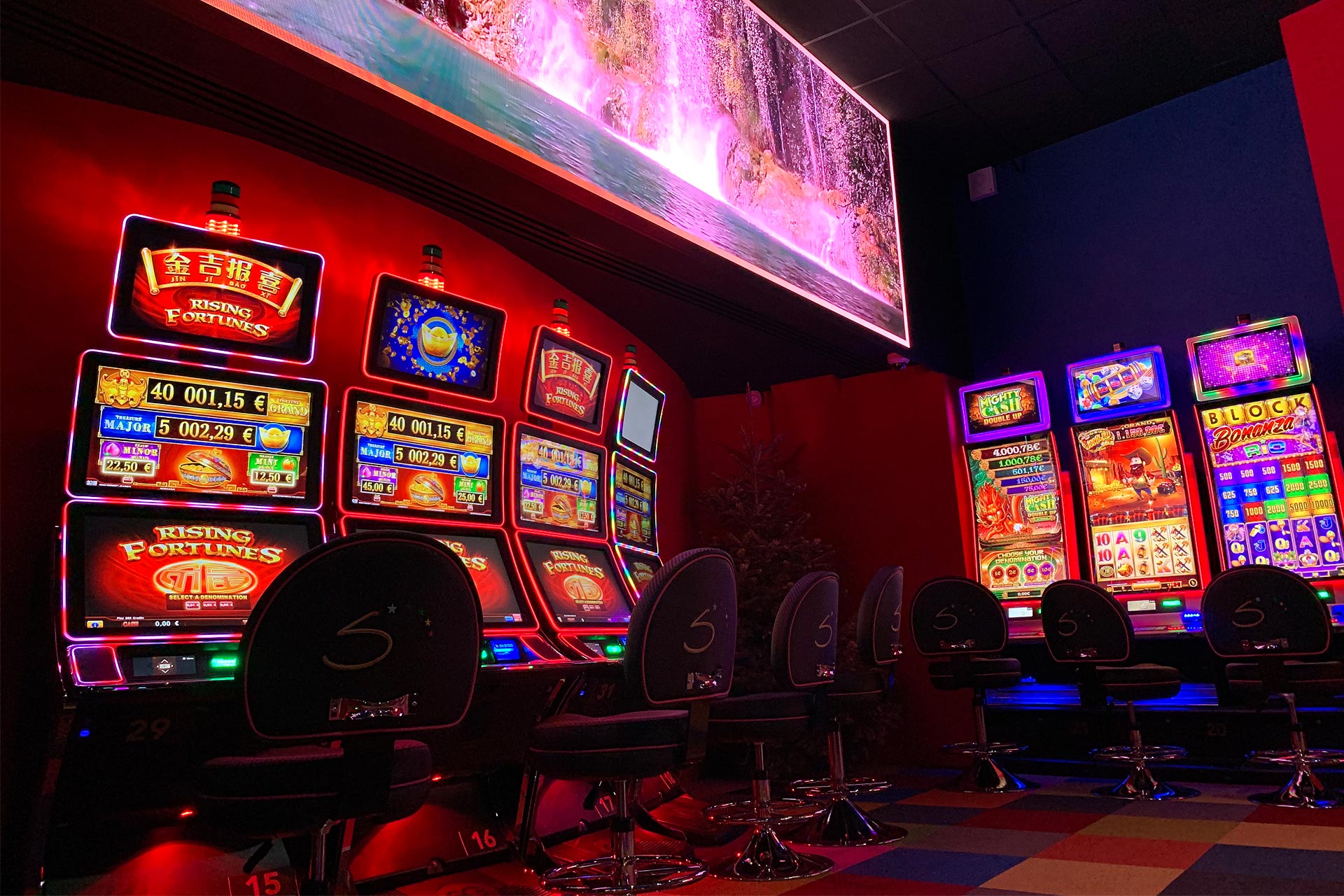
The psychological impact of these environments cannot be overstated. The use of color, sound, and layout is meticulously planned to keep players engaged. Studies indicate that the sensory overload can trigger the release of dopamine, a neurotransmitter associated with pleasure and reward. This reaction is a significant factor in why individuals may continue gambling, often despite financial losses.
The Role of Cognitive Biases
Cognitive biases significantly influence gambling behavior, leading players to make irrational decisions based on flawed reasoning. One common bias is the illusion of control, where individuals believe they can influence outcomes in games of chance. This misconception can lead to overconfidence and increased betting, ultimately resulting in greater losses.
Another prevalent bias is the gambler’s fallacy, where players assume that past events affect future outcomes. For example, after a series of losses, a player may believe they are «due» for a win. This distorted thinking fuels the desire to keep playing, as players cling to the hope that their luck will change, despite the random nature of gambling.
The Impact of Social Interactions
Social dynamics also play a vital role in gambling behavior. Many people are drawn to casinos not just for the games but for the social experiences they provide. Engaging with others, whether friends or strangers, can enhance the thrill of gambling and encourage participation. The communal atmosphere fosters a sense of belonging, making it more likely that individuals will gamble for extended periods.
Furthermore, celebrity gamblers can greatly influence public perception and behavior. Their high-profile lifestyles and glamorous portrayals of gambling can romanticize the activity, leading others to emulate their behavior. This social influence can contribute to a normalization of gambling, making it seem like an appealing and socially acceptable pastime.
The Emotional Rollercoaster of Gambling
Gambling often evokes a wide range of emotions, from exhilaration during wins to despair during losses. This emotional rollercoaster can become addictive, as the thrill of winning can overshadow the negative feelings associated with losing. Players frequently chase the high of their last win, leading to a cycle of betting that can escalate into problematic behavior.
Additionally, many gamblers develop a coping mechanism through gambling, using it as a way to escape stress or emotional pain. This reliance on gambling for emotional relief can further entrench individuals in unhealthy habits, making it essential to recognize the psychological implications of their behavior.
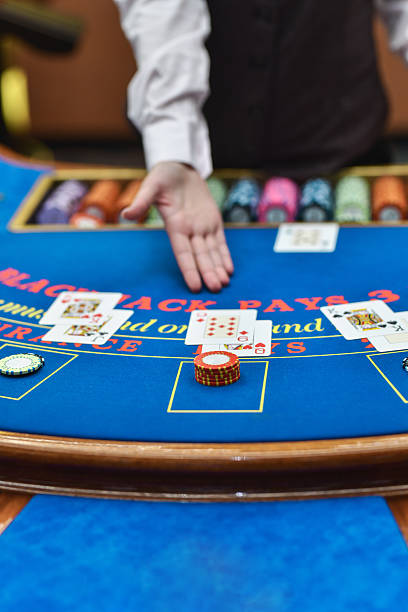
Your Gateway to Safe Gambling
For those exploring the world of online casinos, understanding the psychology behind gambling behavior is crucial. Our website offers insights into various licensed platforms, ensuring a secure and enjoyable gaming environment. We provide comprehensive evaluations, focusing on aspects like game quality, instant payouts, and reliable customer support.
With expert guidance, players can select casinos that not only cater to their gaming preferences but also promote responsible gambling practices. Our goal is to create a safe space for players, allowing them to enjoy the thrill of gambling while being informed about the psychological factors at play.