
Unraveling the fascinating history of casinos A journey through time
The Origins of Gambling
The history of gambling can be traced back thousands of years, with evidence dating as far back as ancient civilizations in China, Rome, and Greece. Archaeological findings show that people engaged in games of chance as early as 2300 BC, utilizing rudimentary dice and other gaming instruments. These early forms of gambling were not merely for entertainment; they often held cultural and religious significance, incorporating elements of chance into rituals and celebrations. If you’re interested in exploring more, you can proceed to discover the latest trends and games.

As societies evolved, so did their approach to gambling. In ancient Rome, for instance, betting on gladiatorial games and chariot races became commonplace, reflecting the competitive spirit of the culture. The Romans established laws governing gambling, which indicates its growing popularity and the need for regulation. By the Middle Ages, games like chess and early card games became intertwined with gambling practices, influencing the development of modern gaming.
The Renaissance period marked a significant turning point for gambling, as it began to flourish in Europe. The invention of the playing card and the establishment of betting houses paved the way for more structured forms of gambling. This era saw the emergence of casinos, with establishments like Ridotto in Venice opening their doors in the early 17th century, catering to the aristocracy and laying the groundwork for modern gambling venues.
The Rise of Casinos in the Modern Era
The 18th and 19th centuries witnessed a dramatic expansion of casinos, particularly in Europe and the United States. The first official casino, Casino di Venezia, opened in Italy, offering a variety of games that attracted the elite. This period was marked by the introduction of roulette and baccarat, which quickly gained popularity among gamblers. In France, casinos became a symbol of luxury and entertainment, with glamorous establishments sprouting in cities like Monte Carlo.
In the United States, gambling took on a different character, especially during the Gold Rush era. The influx of fortune seekers led to the establishment of saloons and gambling halls in places like San Francisco and New Orleans. These venues provided a mix of games, from poker to faro, often becoming community hubs where social interaction and high-stakes gambling coexisted. As states began to regulate gambling, the modern casino began to take shape, leading to the legalization of gambling in various regions.
The turning point for casinos in the U.S. came in the mid-20th century, when Las Vegas transformed into a gambling mecca. The establishment of lavish resorts and casinos, such as The Flamingo and Caesars Palace, redefined the casino experience, combining luxury, entertainment, and gambling under one roof. This transformation not only popularized gambling but also set the stage for other regions, like Atlantic City, to follow suit, leading to the establishment of gambling as a legitimate industry.
The Globalization of Gambling
As the 20th century progressed, the globalization of gambling became evident. With the advent of technology and the internet, casinos evolved beyond traditional brick-and-mortar establishments. Online casinos emerged in the late 1990s, allowing players to gamble from the comfort of their homes. This shift not only broadened the reach of casinos but also democratized access to gambling, catering to a global audience. People could now easily sign in to their favorite platforms, such as Blaze Spins online casino, and enjoy a wide range of gaming options.
Countries across the globe began to embrace the economic benefits of legalized gambling. Nations like Singapore, Macau, and the Philippines recognized the potential for tourism and revenue generation, leading to the establishment of modern casinos that rival those in Las Vegas. These developments signified a shift in perception, with gambling being seen as a viable economic driver rather than merely a vice. The fusion of entertainment and gaming created a multi-billion dollar industry, reshaping the global landscape.
However, the rapid growth of gambling has not come without challenges. The rise of online gambling, in particular, raised concerns about addiction and regulatory measures. Awareness campaigns highlighting gambling addiction have become crucial, as they aim to educate players about responsible gambling practices. This evolving landscape has led to the establishment of organizations and support systems designed to assist individuals struggling with gambling-related issues, emphasizing the need for balance in this burgeoning industry.
The Role of Technology in Modern Casinos
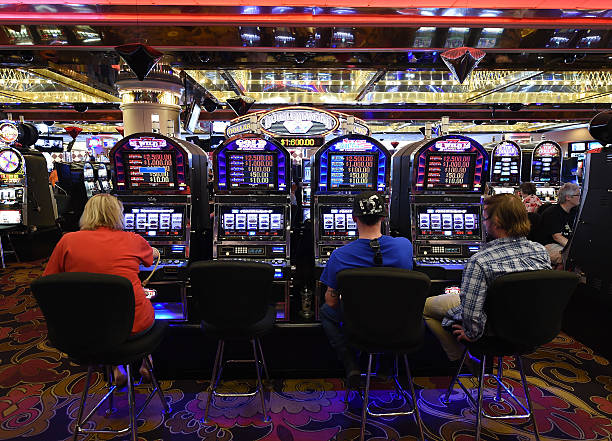
The impact of technology on casinos is profound, significantly altering how games are played and experienced. The introduction of electronic gaming machines and video lottery terminals revolutionized traditional casino games, making them more accessible and appealing to a younger demographic. Today, players can engage with interactive and immersive experiences that combine traditional gambling with cutting-edge technology, such as virtual reality and augmented reality gaming.
Mobile gaming has further enhanced the casino experience, allowing users to gamble on their smartphones or tablets. This convenience has contributed to a surge in the popularity of online casinos, where players can enjoy a vast array of games and live dealer options. The ability to play anywhere at any time has not only expanded the audience but also raised new questions about responsible gaming and self-regulation.
Moreover, data analytics and artificial intelligence are transforming how casinos operate. Understanding player behavior through data allows for personalized gaming experiences and targeted marketing strategies. By leveraging technology, casinos can create tailored offers and promotions, enhancing customer loyalty. However, this reliance on technology also necessitates stringent cybersecurity measures to protect players’ data and maintain trust in the industry.
Conclusion: The Future of Casinos
The history of casinos illustrates a fascinating evolution, reflecting cultural shifts and technological advancements over centuries. As gambling continues to adapt to societal changes, the future of casinos looks promising yet complex. The balance between innovation and responsible gaming will play a crucial role in determining the industry’s direction. With ongoing discussions about the potential for regulation and harm minimization, the industry must strive to create a safer environment for players.
As the landscape of gambling continues to evolve, the importance of education and awareness regarding gambling addiction remains paramount. Initiatives aimed at promoting responsible gambling practices are vital for ensuring that players can enjoy the thrill of gaming without falling prey to addiction. The casino industry must work collaboratively with regulatory bodies and support organizations to foster a safe and responsible gambling environment.
«`